
Skip to content

FEMALE-FOUNDED LGBT+ INCLUSIVE

Discreet Painful Sex Products

Painful sex products recommended (by us, and many sex therapists) for helping women move towards pain-free penetrative sex (f you have been diagnosed with Vaginismus, please check with your health professional before buying, just to make sure your chosen product is suitable for you). We have a lot of info on this hidden issue in our painful sex guides.

1 of 12 products

Sort By

Sort By

1 of 12 products

1 of 12 products

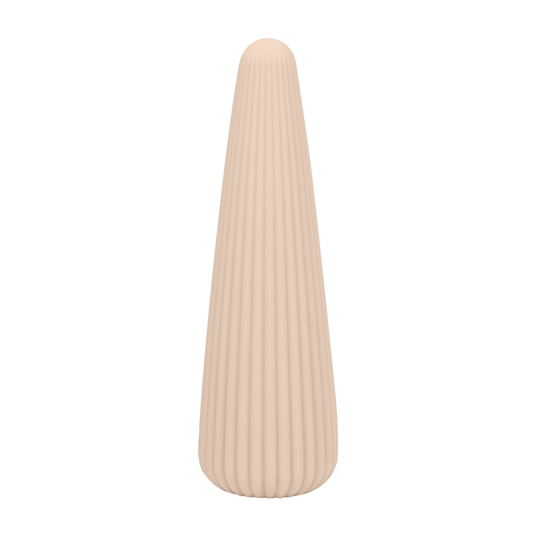
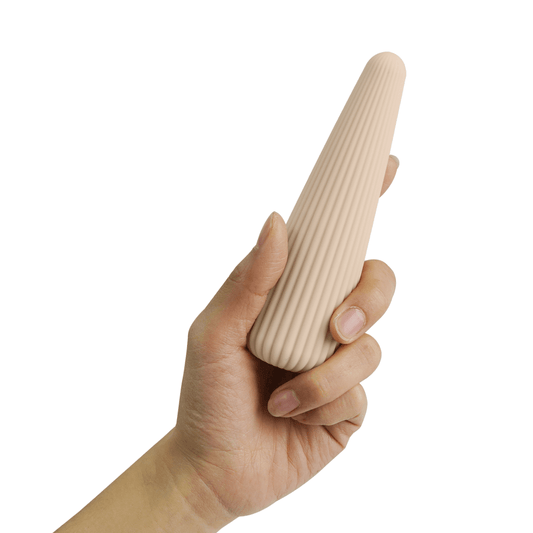
  • Nude Zina Tapered Ribbed Vibe - Sh! Women's StoreNude Zina Tapered Ribbed Vibe - Sh! Women's Store
    Sold out
    Nude Zina Tapered Ribbed Vibe
    £39.00

Painful sex products recommended by us and many sex therapists for helping women move towards pain-free penetrative sex. If you have been diagnosed with vaginismus, please check with your health professional before buying, just to make sure your chosen product is suitable for you. We have a lot of info on this hidden issue in our painful sex guides.

You're Not Alone: Understanding Painful Sex

Painful penetrative sex affects millions of women, yet it remains a hidden, rarely discussed issue. Whether you're experiencing vaginismus (involuntary pelvic floor muscle tightening), vulvodynia, endometriosis, postpartum pain, menopausal dryness, or other causes, know this: painful sex is common, treatable, and not your fault.

Our collection offers gentle, body-safe products recommended by sex therapists and pelvic floor specialists to help you move towards comfortable, pleasurable penetration at your own pace.

Products for Painful Sex & Vaginismus

Graduated Dilator Sets: Medical-grade silicone dilators in progressive sizes (tiny to regular). Start with the smallest size and gradually work up as your pelvic floor muscles relax. Essential for vaginismus therapy, postpartum recovery, or pelvic floor rehabilitation.

Slim, Gentle Dildos: Ultra-slim dildos (0.5-1 inch diameter) designed for comfortable, non-threatening penetration. Smooth, tapered, body-safe. Perfect for rebuilding positive associations with penetration.

Vibrators for Desensitization: Gentle vibration can help relax pelvic floor muscles and reduce pain sensitivity. Start externally, progress to gentle internal vibration as comfort allows.

Depth-Control Devices: Products like the Ohnut create cushioned buffers to control penetration depth, reducing deep pain during partnered sex.

Quality Lubricants: Thick, long-lasting, hypoallergenic lubricants are essential for reducing friction and increasing comfort. Water-based or silicone-based options available.

How to Use Painful Sex Products Safely

Consult Your Healthcare Provider: Before starting any dilator or penetration therapy, consult a doctor, pelvic floor physical therapist, or sex therapist. They can diagnose underlying causes and create a personalized treatment plan.

Start Small, Progress Slowly: Never rush. Begin with the smallest size that feels comfortable. Progress only when you're ready – this might take days, weeks, or months. There's no timeline.

Use Generous Lubricant: Apply thick, generous amounts of body-safe lubricant. Reapply as needed. More is always better.

Practice Relaxation Techniques: Deep breathing, pelvic floor relaxation exercises, and mindfulness help release muscle tension. Combine physical tools with mental relaxation.

Listen to Your Body: Some stretching discomfort is normal; sharp pain is not. Stop if anything feels painful. Healing isn't linear – setbacks are normal.

Beyond Products: Comprehensive Support

Products alone don't cure painful sex. Successful treatment typically combines dilators or gentle toys with pelvic floor physical therapy, sex therapy or counseling, relaxation and mindfulness practices, partner communication and education, and addressing underlying medical conditions.

Our painful sex guides provide comprehensive information on causes, treatments, and emotional support. You deserve pain-free, pleasurable sex – and recovery is possible with patience, support, and the right tools.

Body-Safe, Therapist-Recommended

Every product in our painful sex collection is body-safe (medical-grade silicone, hypoallergenic materials), therapist-recommended or designed in consultation with pelvic floor specialists, graduated in size for gentle progression, easy to clean and sterilize, and accompanied by usage guides and support resources.

We understand how isolating and frustrating painful sex can be. Our knowledgeable, compassionate team is here to help you find the right products and information. You're not broken. You're not alone. Healing is possible. Browse our collection and take the first step toward pain-free pleasure.

Painful Sex & Vaginismus FAQ's

There can be many reasons for painful sex.
1. Your body isn't yet ready for penetration:
- You need more lube.
- You need more build-up.
- Position is uncomfortable.
- Your partner's penis or the dildo is too big for you.
2. Something body-related:
- Infection, such as an STI or Thrush
- A tear in the delicate vaginal membranes
- Menopause - can cause vaginal thining and shrinking, leading to pain.
- Vaginismus - involuntary tightening of vaginal muscles, leading to pain.
We always recommend booking an appointment with a doctor or gynae to have pain checked out.

Around 75% of women experiencing painful sex at some point in their lives, and 10-20% find intercourse painful every time. How common is Vaginismus? At least 2 in 1,000 women & vulva-owners experience Vaginismus once in their lifetime. We think this figure is far higher...

If you regularly experience chronic vaginal or vulval pain during sex (that isn't sorted with more lube or smaller and gentler penetration), or if think you have Vaginismus, you should talk to a doctor. Self-diagnosing isn't advisable. 

Vaginismus is the term used to describe recurrent or persistent involuntary tightening of muscles around the vagina whenever penetration is attempted.

Vaginismus can be overcome rather than 'cured.' In many cases, it's more about managing triggers/stressors. There is always a possibility that your Vaginismus can come back, so being aware of symptoms is crucial.

Well done for having come this far - many women put off seeking help for years, so you have done so well already :) Be kind to yourself and follow the advice you have been given by your health care team. It is possible to get (back) to a place where penetration is pleasurable and not painful. It's not a sprint - you have just entered a marathon, so pace yourself.

If you think your partner/ girlfiend has Vaginismus listen to them and follow their lead. A person with Vaginismus can enjoy intimacy and sexual pleasure in various forms, but penetrative sex is usually painful and anxiety-inducing.
- Take penetration off the menu until they feel ready, especially during the treatment of their condition.
- Don't push to 'just try'. Instead, come up with fun ways to explore sex without penetration.

Dilators are a tool, not a cure-all. They work best as part of comprehensive treatment including pelvic floor physical therapy, addressing underlying causes (infections, endometriosis, trauma), relaxation techniques, and sometimes therapy. Dilators help retrain muscles and rebuild positive associations with penetration. Success requires patience, consistency, and professional guidance.

Start with the smallest size that fits comfortably without pain – often smaller than a tampon (0.5 inches or less). If even the smallest size causes pain, consult a pelvic floor physical therapist before proceeding. Never force penetration. Progress to larger sizes only when the current size feels completely comfortable.

Recovery timelines vary widely – from weeks to months to years. There's no "normal" timeline. Progress isn't linear; setbacks are common and normal. Focus on consistency, patience, and celebrating small victories. Working with a pelvic floor PT or sex therapist typically accelerates progress. Be kind to yourself – healing takes time.

Both! Painful sex has physical causes (muscle tension, infections, endometriosis, dryness) AND psychological components (anxiety, past trauma, fear). Effective treatment addresses both mind and body. Pelvic floor therapy treats physical symptoms; counseling addresses emotional aspects. You're not "broken" – you need comprehensive, compassionate care.

Yes! Vibration can help relax tense pelvic floor muscles and reduce pain sensitivity. Start with external clitoral vibration to associate pleasure with genital touch. Progress to gentle internal vibration as comfort allows. Some people find vibrators helpful; others prefer non-vibrating dilators. Experiment to find what works for your body.

Seek pelvic floor physical therapists (specialists in pelvic pain), sex therapists (address psychological components), gynecologists (diagnose medical causes), or pain specialists. Organizations like the International Pelvic Pain Society and National Vulvodynia Association offer provider directories. Don't suffer alone – professional help accelerates recovery and provides essential support.

Sh! Vaginal Dilators with bullet vibrator for relaxing tense muscles during Vaginismus dilating

Q&A: I think I may have Vaginismus

Hi Sh! Team,

I find this really difficult and awkward to talk about but I’m guessing you are probably very used to it. I went through an almost 2-year long dry spell before meeting my boyfriend. When we first started having sex it felt uncomfortable and painful.  He’s definitely on the bigger side but I thought I would get used to it, however, instead, it has gotten worse. I don’t think I have ever had this happen before. From what I have read it sounds like vaginismus.

I’m not quite sure what to do. I know I should probably see my GP about it but I’ve previously had bad experiences with NHS services, especially where mental health and other delicate matters are concerned. I’ve recently had a check-up as well as an STI test and there is nothing wrong physically.

Do you have any advice on how to work on this? I’m worried it’ll get worse and don’t know what to do...

Read our answer to Q&A: I think I may have Vaginismus...