
Skip to content

FEMALE-FOUNDED LGBT+ INCLUSIVE

Painful Sex Painful penetration • Vaginismus • Menopause

Comfort Comes First.

Explore supportive products for vaginismus, painful penetration and gentler intimacy. From vaginal dilators and slim toys to lubricants, find options designed for comfort, confidence and pleasure, always at your own pace.

Supportive products for vaginismus and painful penetration, chosen for comfort, confidence and pleasure — at your own pace.

Body-Safe Gentle & Slim Lubes & More
Sh! lilac silicone vaginal dilators - 4 graduated sizes with interchangeable bullet vibe - on a gold tray with soft lighting and cozy background.

Explore the Collection

Waterproof Comfort & Intimacy Products

Shop supportive products for painful penetration, vaginismus and gentler intimacy.

Expertly Chosen Discreet delivery

7 of 28 products

Sort By

Sort By

7 of 28 products

7 of 28 products

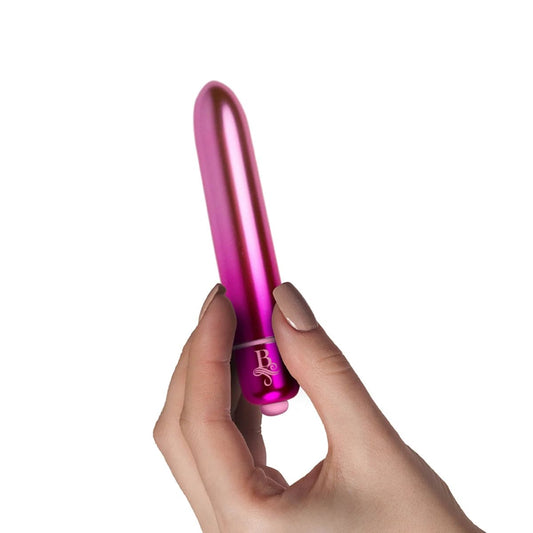
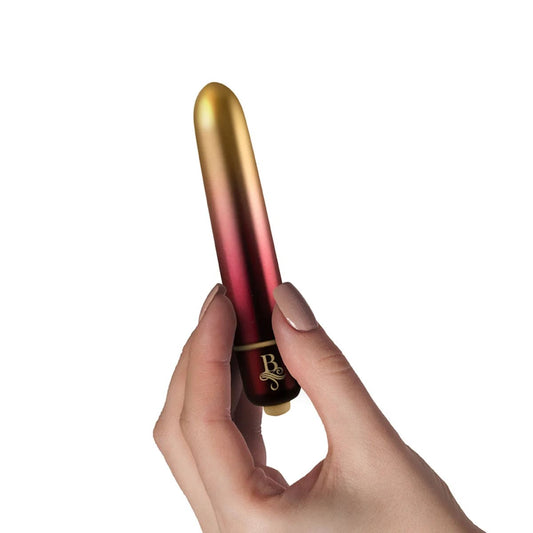
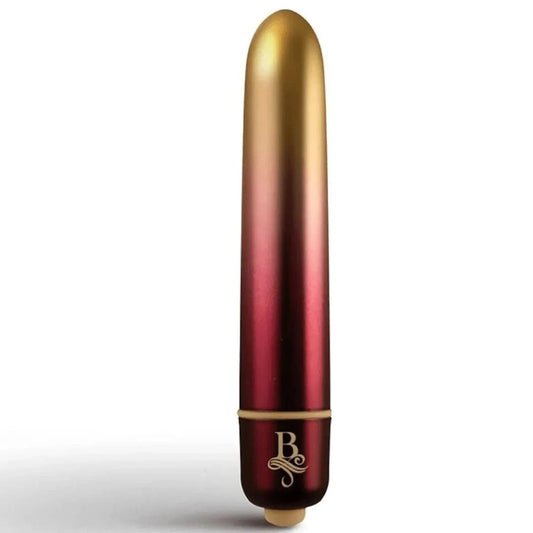
  • Rocks Off Courtesan Bullet Vibe
    £16.00
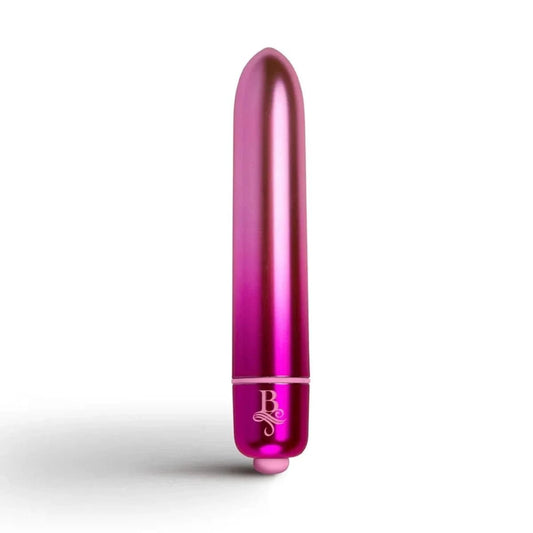
  • Rocks Off Debutante Bullet Vibe
    £15.00
  • GoodHead Helping Head Silicone Stroker
    £19.00
  • Chloe Nubii Warming Slim G Spot Vibe
    £39.00
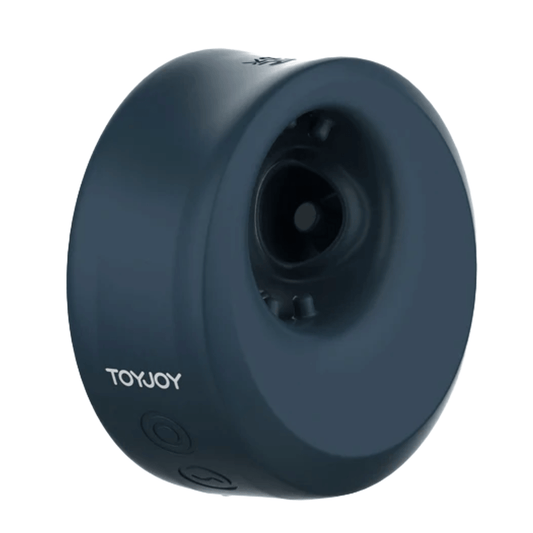
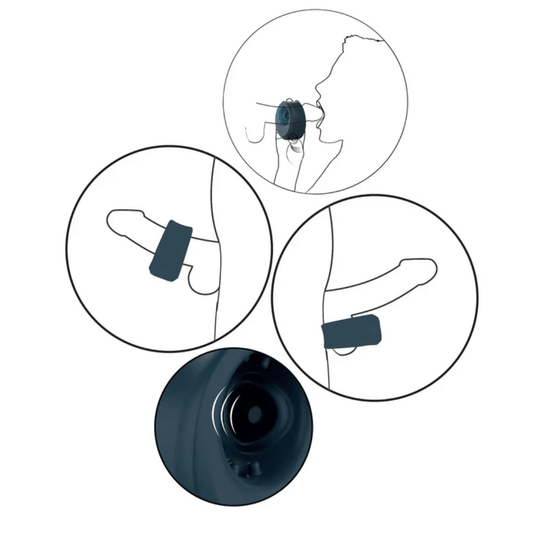
  • Zephyr Pulsating Stroker & Cock Ring
    £55.00

Quick Guide

Painful Sex Guide

Friendly, expert advice to help you explore with confidence.

EVERYTHING YOU NEED TO KNOW Choosing & Using Products for Painful Sex
+

What Can Help With Painful Penetration?

Pain during penetration can happen for many reasons, including vaginismus, menopause, vaginal dryness, pelvic floor tension, cancer treatment, surgery or childbirth.

Depending on what feels right for your body, you might explore:

Explore:

  • Vaginal dilators For gentle, gradual exploration of penetration.
  • Slim toys Smaller, smooth options when you want less stretch.
  • Lubricants Reduce friction and add cushioning and glide.
  • Vaginal moisturiser Help with ongoing vaginal dryness between sexual activity.
  • Depth-control products Help limit deeper penetration.
  • External vibrators Pleasure and stimulation without penetration.
  • Sh! tip → Pain has different causes, so persistent, unexplained, new pain or bleeding should always be discussed with a healthcare professional.
+

How Do I Choose & Use Vaginal Dilators?

Choose a dilator that lets you begin with a size that already feels manageable rather than challenging.

  • Start small → Your first size should feel approachable.
  • Look for gradual sizing → Small increases can make progression gentler.
  • Use plenty of lube → Apply generously to both your body and the dilator.
  • Take your time → Relax, breathe and let your body set the pace.
  • Only progress when comfortable → There's no timetable and no prize for reaching the largest size.
  • Sh! tip → If you're using dilators for vaginismus, following cancer treatment or for another diagnosed condition, follow the guidance of your healthcare or pelvic-health professional.
+

What Size Toy Is Best for Painful Penetration?

What Size Toy Is Best for Painful Penetration?

Slim, smooth and easy to control is usually the gentlest place to start if you'd like to explore penetration.

  • Slim → Less stretch and often more approachable.
  • Tapered → Lets you introduce width gradually.
  • Smooth → Less texture means less friction.
  • Shorter → Worth considering if deeper penetration is uncomfortable.
  • Soft silicone → Offers more give than rigid glass or metal.
  • Sh! tip → Bigger isn't better, and sizing up isn't the goal. The right size is whatever feels comfortable and pleasurable for your body.
  • Slim dildos
  • Slim Vibrators

+

What Lube Is Best for Painful Sex?

The right lubricant can make a big difference to friction, cushioning and comfort.

  • Thicker water-based lube (often marketed as anal lube) Adds a cushioning layer and works with virtually all toys.
  • Silicone lube Extra-slippery and longer-lasting, which can be especially useful when dryness is an issue. Check compatibility with silicone toys.
  • Use generously → Add more whenever you need it.
  • Sensitive skin? → Look for gentle, paraben-free formulas, with glycerine-free options for those prone to irritation or thrush.
  • Sh! tip → Lube can make sex more comfortable, but it shouldn't be used to push through unexplained pain.
+

Can Vibrators Help When Penetration Hurts?

Yes. Because pleasure doesn't have to involve penetration.

External vibrators lets you explore clitoral and vulval sensation without inserting anything.

  • Start externally → There's no need to move on to penetration.
  • Begin gently → Explore different intensities and sensations.
  • Small vibrators → Great for more focused stimulation.
  • Wands Offer broader, usually stronger vibration.
  • Internal vibration → Explore only if and when that feels appealing and comfortable.
  • Sh! tip → What feels good can change through menopause, illness, treatment and recovery. Give yourself permission to discover what your body enjoys now.

+

What If Deep Penetration Hurts?

If penetration feels comfortable at first but hurts when it goes deeper, choosing something slimmer isn't necessarily the answer.

  • Choose a short vibrator or dildo Or simply control how deeply a toy is inserted.
  • Stay in control → Positions where the receiving partner ( on top) controls depth and movement can help.
  • Try a penetration buffer These create a physical buffer to limit penetration depth.
  • Slow down or stop → You never need to continue when something hurts.
  • Sh! tip → Recurrent deep pain can have several causes, so it's important to discuss this with your doctor, rather than simply finding ways to work around it.
+

Menopause, Dryness & Painful Sex - What Can Help?

Hormonal changes during and after menopause can mean more vaginal dryness and changes to vaginal tissue, which may make penetration less comfortable.

You might find it helpful to explore:

  • Vaginal moisturisers Provide ongoing moisture between sexual activity.
  • Plenty of lubricant Adds glide and reduces friction during sex and toy play.
  • Slim toys or dilators → For gentle, controlled penetration if that's something you want.
  • External vibrators → Let you explore pleasure without penetration.
  • Wand massagers → Stronger external stimulation can be useful if your usual sensations aren't quite hitting the spot.
  • Sh! tip → Your pleasure hasn't reached its expiry date. What feels good may change through menopause - discovering what your body enjoys now is what matters.
+

What About Painful Sex During or After Cancer Treatment?

Cancer surgery and some treatments can affect vaginal comfort, arousal and how your body experiences touch. Some people may experience dryness, pelvic pain or changes that make penetration uncomfortable.

Depending on your individual circumstances, useful products may include:

  • Vaginal moisturisers For ongoing dryness and comfort.
  • Lubricants For additional glide during sexual touch or penetration.
  • Dilators → Sometimes recommended following treatment where vaginal narrowing or shortening is an issue.
  • Slim toys → For gentle exploration if penetration is something you'd like to return to.
  • Vibrators → For external pleasure, sensation and reconnecting with your body.
    Sh! tip → Cancer treatments vary enormously. Speak to your cancer team or CNS before using products therapeutically - particularly dilators - or if you're experiencing pain or bleeding.
1

Do I Need to Have Penetrative Sex?

Only if you want to.

Comfortable penetration may be your goal — but it doesn't have to be. Sex and intimacy can include:

  • Touching
  • Kissing
  • Massage
  • Clitoral stimulation
  • Vibrators
  • Mutual masturbation
  • …and whatever else feels pleasurable and consensual to you.
  • If you're rebuilding intimacy after pain, menopause, illness or treatment, taking penetration - and even orgasm - off the agenda for a while can give you space to explore pleasure without pressure.
  • Sh! tip → Success isn't reaching the biggest dilator or returning to the sex you used to have. It's discovering what feels comfortable, pleasurable and right for your body now.

WHY CHOOSE SH!

We Don’t Do Sexual Silence.

For decades, Sh! has challenged taboos around women’s sexual wellbeing. From painful sex and vaginismus to sex after cancer and menopause, we’ve opened conversations, shared practical advice and created products designed around women’s real experiences.

PIONEERING DILATORS

Creators of the world’s first vibrating vaginal dilators, designed to bring pleasure into the dilation process.

RESEARCH & COLLABORATION

Our dilators came about through collab with PhD research RUH Gynae Oncology department.

BREAKING THE SILENCE

From Painful sex & vaginismus to sex after cancer & menopause, we’ve helped open conversations too often left unspoken.

VAGINISMUS ADVOCACY

Creators of Vaginismus Awareness Day and a vaginismus awareness website, helping make this hidden condition more visible.

A pale pink flower worn on a person's woman's public area.
Pleasure Is Power

PAINFUL SEX ADVICE

Moving Towards Pain-Free Sex

Painful penetration doesn't mean pleasure has to disappear. Discover our guide to vaginismus, dilators, lube and exploring intimacy without pressure, with practical advice for finding what feels comfortable for your body.

Women-Centred Expert advice 30+ Years Experience

GOOD TO KNOW

Painful Sex Questions, Answered

Clear, friendly advice to help you explore with confidence.

Why does it hurt when I have sex?

There can be many reasons for painful sex.

It could be that your body isn't yet ready for penetration:

  • You need more lube.
  • You need more build-up.
  • Position is uncomfortable.
  • Your partner's penis or the dildo is too big for you.


But pain during sex can have other causes, including vaginal dryness, pelvic floor tension, vaginismus, menopause, endometriosis, infection, childbirth, surgery or cancer treatment.

Sometimes more arousal or lubricant may help, but persistent, unexplained, new or severe pain deserves proper investigation. Sex shouldn’t be something you simply have to push through.

What products can help with painful sex?

It depends on why you're experiencing pain and what you want to explore. Useful options may include:

Products can support comfort and exploration, but they aren't a substitute for investigating persistent pain.

What should I do if penetration is painful?

Stop or slow down rather than trying to push through the pain. More time for arousal, plenty of lubricant, changing position or reducing depth may help with occasional discomfort.

If pain is persistent, unexplained, worsening or accompanied by symptoms such as bleeding, speak to a healthcare professional.

Finding out why penetration hurts is important before deciding what may help.

What is vaginismus?

Vaginismus involves the muscles around the vaginal opening tightening involuntarily when penetration is attempted or anticipated. This can make inserting a tampon, finger, sex toy or penis uncomfortable, painful or sometimes impossible.

The response isn’t something you’re consciously choosing. If you think you may have vaginismus, speak to a healthcare professional or pelvic-health specialist for assessment and support.

Can vaginal dilators help with painful sex or vaginismus?

Yes. Vaginal dilators are widely used to support people experiencing vaginismus and some forms of painful penetration. They allow you to explore penetration gradually, beginning with a manageable size and progressing at your own pace.

Sh! vaginal dilators are recommended by many sex therapists and healthcare professionals, and were designed to make dilation feel less clinical and more connected to comfort, confidence and pleasure. Our pioneering vibrating dilators also give you the option of adding gentle vibration to the experience.

If you're using dilators for vaginismus, following cancer treatment, surgery or for another diagnosed condition, follow the advice of your healthcare professional or pelvic-health specialist.

There’s no prize for reaching the largest size - progress means whatever feels comfortable and right for your body.

What size vaginal dilator should I start with?

Usually, start with the smallest dilator in your set. The aim is to introduce penetration gently, with a size that feels approachable and comfortable rather than challenging.

Use plenty of lubricant, take your time and allow your body to relax around the dilator. Once that size feels comfortable, you can gradually move up to the next size when you feel ready.

If you already know you're comfortable inserting something larger, or you're using dilators under professional guidance, you may be advised to start at a different size.

Sh! tip → There’s no race to size up and no prize for reaching the largest dilator. Your body sets the pace.

Can I use sex toys if I have vaginismus?

Yes, if using a sex toy feels comfortable and is something you want to explore. Many people prefer to begin with external stimulation or a small, smooth toy before considering penetration.

If you want to explore internal toys, choose something slim, smooth and easy to control, use plenty of lubricant and stop if you experience pain. There’s no need to move onto larger toys unless you genuinely want to.

If you've been diagnosed with vaginismus or are following a treatment plan, check with your healthcare or pelvic-health professional about what's appropriate for you.

Can vibrators help with vaginismus or painful sex?

Vibrators can be particularly useful because pleasure doesn't have to involve penetration. An external vibrator lets you explore clitoral and vulval sensation without inserting anything.

Sh! also pioneered vibrating vaginal dilators, bringing vibration and pleasure into the dilation experience.

If internal stimulation is uncomfortable, there's absolutely no need to progress to it. Start with what feels good to your body.

Can cancer treatment affect sex and make penetration painful?

It can. Cancer and its treatments can affect vaginal comfort, dryness, tissue, pelvic function, arousal and how your body experiences touch. Some treatments may also cause vaginal narrowing or shortening.

Depending on your circumstances, lubricants, vaginal moisturisers, dilators, slim toys or external vibrators may be useful.

Because treatments vary enormously, speak to your cancer team or clinical nurse specialist before using products therapeutically, particularly vaginal dilators.

Can menopause cause painful sex?

Yes. Hormonal changes during and after menopause can cause vaginal dryness and thinning of vaginal and vulval tissue, which may make penetration less comfortable.

Lubricants and vaginal moisturisers can help with dryness, while slim toys or dilators may offer more controlled penetration if that's something you'd like to explore.

External vibrators also let you enjoy stimulation without penetration at all.

Persistent pain should still be discussed with a healthcare professional.

What is the best lubricant for painful sex?

A generous amount of lubricant can make a big difference when friction or dryness is contributing to discomfort. A thicker water-based lube ( which are often marketed for anal sex) can add cushioning, while silicone lube provides exceptionally long-lasting glide.

If pain persists despite plenty of lubrication, speak to a healthcare professional rather than trying to push through it.

When should I seek help for painful sex?

Occasional discomfort can happen, but persistent pain during sex isn't something you should simply put up with.

Dryness, hormonal changes, pelvic floor tension and conditions such as vaginismus can all contribute to painful penetration.

If pain continues despite using lubricant or changing positions, speak to your GP or a sexual health professional. The right support can make a real difference.

Where can I find professional help for painful sex?

The right professional will depend on what’s causing your pain. Your GP or gynaecologist can investigate possible medical causes, while a pelvic-health physiotherapist can help with pelvic floor problems and a psychosexual or sex therapist can support the emotional and psychological aspects of painful sex or vaginismus.

Finding someone who understands painful sex, and takes your sexual wellbeing seriously, can make a real difference.

We’ve put together a list of vaginismus-aware therapists and professionals to help you find specialist support.

Find a Vaginismus Therapist

Tips & Advice

Painful Sex & Vaginismus Hub

Practical, compassionate guidance to help you navigate painful sex and vaginismus, at your own pace, with care and confidence.

Tips & Advice

Sex & Menopause Hub

Honest advice, practical ideas, and pleasure-positive support for menopause and beyond.