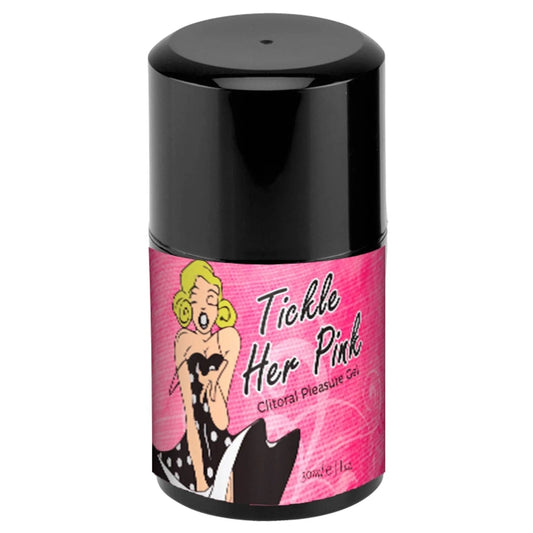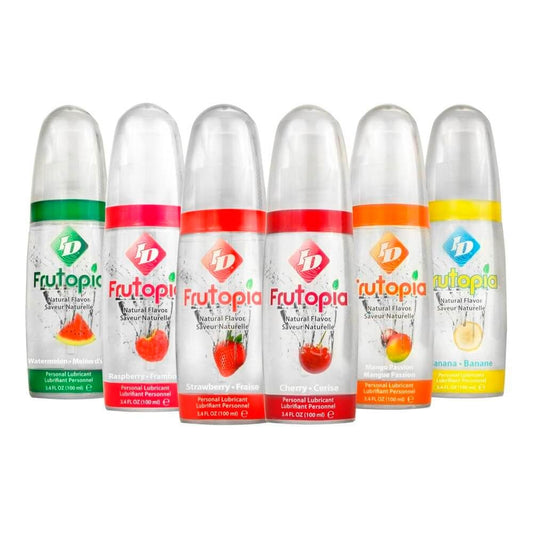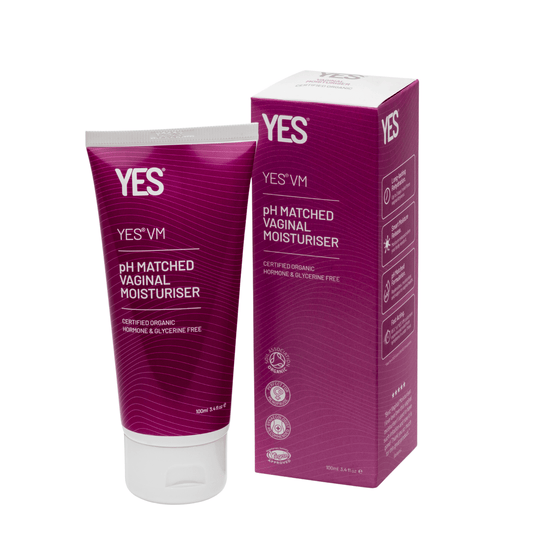

Pregnancy can change almost everything about your body, including how sex feels.
You might find yourself wetter than ever, noticeably drier, more sensitive to touch, or simply wanting a little extra slip and cushioning. All of those experiences can be normal.
And yes: you can use lube during pregnancy.
For most people with a healthy pregnancy, sexual activity, including penetration with penis, fingers or sex toys, is generally considered safe. If you've been advised otherwise by your midwife or doctor, follow their guidance.
Why Might I Need Lube During Pregnancy?
Hormonal changes can affect vaginal moisture, and pregnancy itself can sometimes cause vaginal dryness.
Even if your body is producing plenty of natural lubrication, extra lube can still make sex feel smoother and more comfortable.
Lube can:
- Reduce friction during penetration
- Add cushioning and glide
- Make fingers and sex toys feel smoother
- Help if your vulva or vagina feels more sensitive
- Simply make sex feel more sensual
Sh! tip → Lube before friction. Don't wait until sex starts feeling dry or uncomfortable before reaching for the bottle.
What Is the Best Lube to Use During Pregnancy?
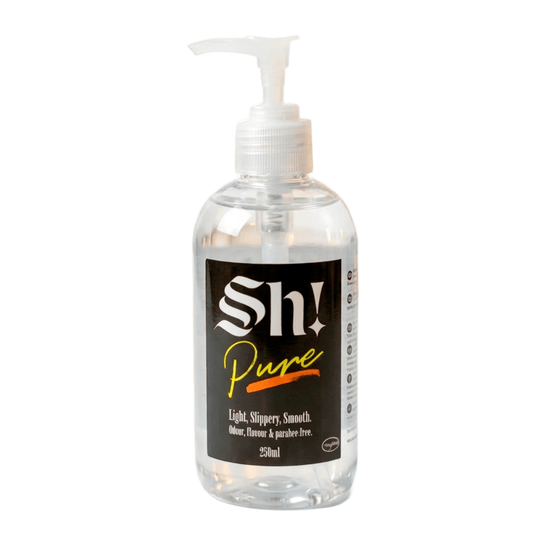
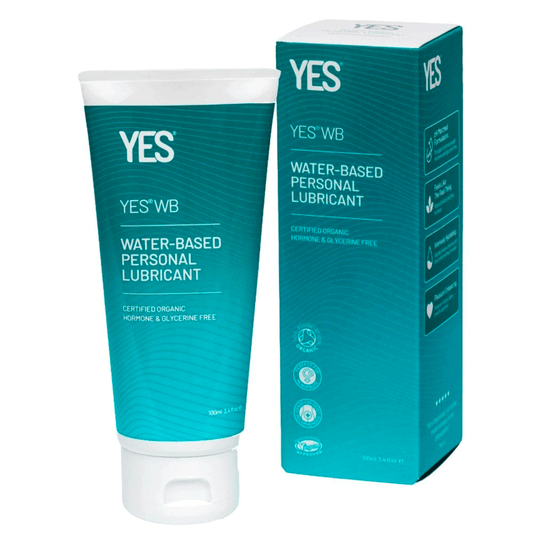
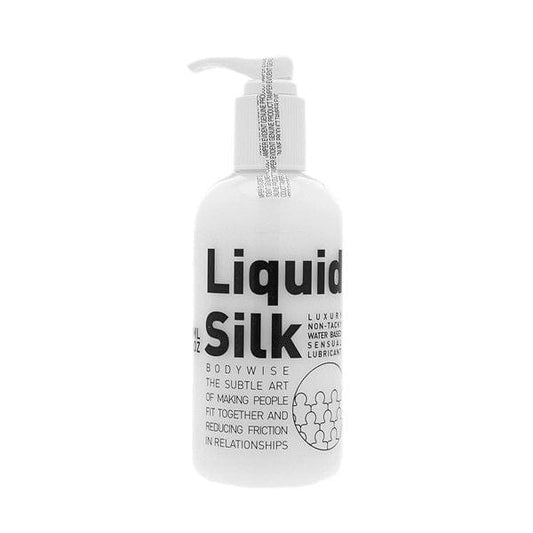
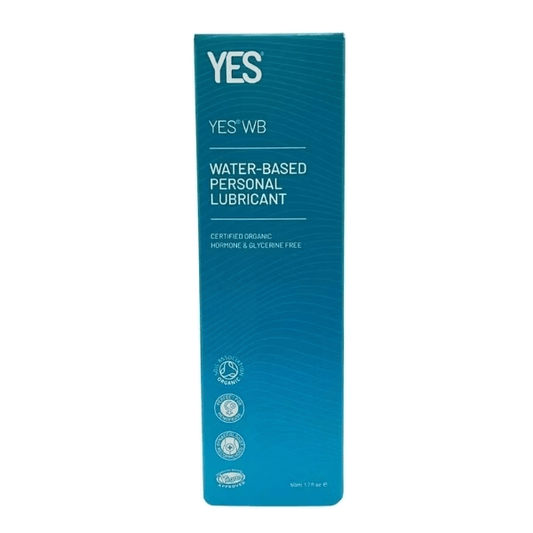
For a straightforward place to start, we'd choose a gentle water-based lubricant.
Water-based lube is versatile, easy to wash away and compatible with virtually all common sex-toy materials. It's also suitable for use with latex condoms.
If pregnancy has made your skin more sensitive, keeping the formula simple can help.
Look for:
- Water-based lubricant
- Gentle formulas
- Fragrance-free options if you're sensitive
- Glycerine-free formulas if you already know glycerine doesn't suit you
- Lubes without warming, cooling or tingling effects if your vulva is feeling particularly reactive
The NHS also recommends water-based lubricants for vaginal dryness.
Should I Choose Glycerine-Free Lube During Pregnancy?
Not everybody needs to avoid glycerine.
Some people who are prone to vaginal irritation or recurrent thrush prefer glycerine-free formulas, particularly if they've noticed that certain lubricants don't agree with their body.
Rather than treating glycerine as universally “bad”, think about how your own body responds.
If a lubricant causes stinging, burning or irritation, wash it off and stop using it.
And if you're experiencing recurrent thrush-like symptoms during pregnancy, speak to your midwife, GP or pharmacist rather than assuming lube is the cause.
Should I Avoid Scented or Flavoured Lube?
If your vulva or vagina has become more sensitive during pregnancy, simpler can be better.
That doesn't mean every scented or flavoured lubricant is automatically unsafe during pregnancy.
It simply means this probably isn't the moment to persevere with something that makes your vulva say absolutely not.
Can I Use Silicone Lube While Pregnant?
Pregnancy itself isn't a reason to assume silicone lubricant is unsafe.
Silicone lube is very slippery and lasts considerably longer than most water-based formulas. It can also be useful when dryness means you want glide that doesn't disappear quickly.
However, it isn't advisable to use silicone lubricant with silicone sex toys.
For simplicity and versatility, water-based lube is still our first recommendation, especially if you're using toys.
Can I Use Lube With Condoms During Pregnancy?
Yes. Pregnancy may remove the need for contraception, but condoms can still be important for protection against sexually transmitted infections (STIs).
Water-based lubricant is suitable for use with latex condoms.
Extra lubrication also reduces friction, helping prevent condoms from rubbing, stretching or breaking during use.
- Using latex condoms? → Choose water-based or compatible silicone lubricant
- Avoid oil-based products → Oils can weaken latex
- Add plenty of glide → Particularly useful if pregnancy has made vaginal tissue feel more sensitive
- Reapply before friction starts → More glide can improve comfort and reduce rubbing
Sh! tip → Pregnancy prevents pregnancy - not STIs. If condoms are part of your safer-sex choices, there's no reason to ditch them because you're pregnant.
What Lube Should I Use When Trying to Conceive?
This is slightly different from choosing lube during pregnancy.
If you're currently trying to become pregnant, not every lubricant is equally sperm-friendly.
Some standard lubricants, including some ordinary water-based formulas, can reduce sperm motility or survival in laboratory testing. The American Society for Reproductive Medicine notes these effects, although studies of couples haven't clearly shown that lubricant use reduces the chance of conception overall.
If conception is your goal:
- Look for a lubricant specifically labelled fertility-friendly or sperm-friendly
- Don't assume water-based automatically means sperm-friendly
- Follow fertility-clinic instructions if you're providing a semen sample
- If you're unsure, ask your GP, fertility clinic or pharmacist
Sh! tip → Trying to conceive? Choose your lube for sperm compatibility as well as comfort.
Once you're already pregnant, sperm compatibility is obviously no longer the reason for choosing one lubricant over another.
Can I Use Lube With Sex Toys While Pregnant?
If penetrative sex is considered safe for your pregnancy, sex toys can generally remain part of your sex life too.
Water-based lube is especially handy because it works with virtually all common toy materials.
A few simple rules:
- Clean your toy before and after use
- Use plenty of lubricant
- Start gently if your body feels more sensitive
- Never move a toy from anus to vagina without cleaning it or changing the condom covering it
- Stop if something hurts
- Follow the manufacturer's cleaning instructions
And pregnancy doesn't mean vibrators suddenly have to disappear from the bedside drawer. Pleasure is still very much allowed if you want it.
What If Sex Feels Different During Pregnancy?
It probably will at some point.
Desire can rise, fall or disappear altogether during pregnancy. Sensation, comfort and the positions you enjoy may change too.
There's no correct amount of sex to be having.
You might want penetration one week and absolutely not the next. You may discover that external stimulation suddenly feels fantastic. Or sex may simply not be high on your list for a while.
Your pregnant body still gets to make the rules.
When Should I Check With My Midwife or Doctor?
Individual pregnancies are different.
If your midwife, doctor or obstetrician has advised you to avoid penetration or sex, follow that advice.
Seek medical advice rather than simply adding more lube if you're experiencing symptoms such as:
- Persistent or significant pain
- Bleeding
- Unusual vaginal discharge
- Recurrent irritation or suspected infection
- Persistant vaginal dryness that affects daily life, or is accompanied by unusual discharge or bleeding.
- Anything else that concerns you
The Sh! Bottom Line
Yes, you can use lube during pregnancy.
For most people, we'd start with a gentle water-based lubricant because it's versatile, toy-friendly, condom-compatible and easy to wash away.
If you're trying to conceive, choose a lubricant specifically labelled sperm- or fertility-friendly.
If you're already pregnant, think instead about comfort, sensitivity, toy compatibility and STI protection where relevant.
Pregnancy doesn't require a particular kind of sexual performance from your body.
Whether you're wetter, drier, hornier, less interested in sex or simply discovering that what felt fabulous six months ago now gets a firm no thanks - listen to what your body is telling you.
Use plenty of lube. Take your time. And choose what feels good for you now.