
Partners often try their best to press all the right buttons, but even with good intentions, they can miss the mark. They might not yet know your hot spots, or they may be a little too rough, or not quite firm enough. The rhythm might feel too fast, too slow, or simply not in sync with what your body enjoys in that moment.
This is where your most valuable guide comes in: you. No one has more insight into your body, your preferences, and what truly turns you on.
However, being direct about sexual needs can sometimes feel tricky. Even when communicated with care, it can be misinterpreted as dissatisfaction with the relationship or current sex life, which may unintentionally lead to hurt feelings or defensiveness.
Rather than centring the conversation on what isn’t working, framing it around what feels good - and what you’d love more of - can turn it into a positive, collaborative experience. Done well, it deepens trust, improves intimacy, and opens the door to a more satisfying sex life for both partners.
3 Ways to Open Up Sexual Communication (Without Having “The Talk”)
Talking about sex doesn’t have to mean sitting down for a serious, awkward conversation. In fact, some of the most effective sexual communication happens inside the experience—through play, suggestion, and shared discovery. If words feel clunky or intimidating, these three approaches help you express what you like in ways that feel natural, erotic, and collaborative.
TIP 1: Use Mutual Masturbation to Show What You Like
This one is ideal for visual learners.
Mutual masturbation is one of the clearest, lowest-pressure ways to communicate sexual preferences. Instead of explaining, you’re demonstrating!
Think of it as a guided experience where you show your partner exactly what feels good while they watch, learn, and mirror you. It replaces guesswork with real-time insight into your body’s responses.
A helpful approach is to take turns rather than doing everything at once. One partner “shows and tells” while the other enjoys the show, and then you swap. This allows each person to fully focus on sensation, detail, and feedback without distraction.
Don’t be afraid to narrate as you go. Simple cues like “I like it slower here…” or “This is where I add more pressure…” turn your experience into clear, usable guidance your partner can actually remember.
Prop: Blindfold
If you feel shy about being watched, a blindfold can help shift attention inward. Without visual distraction, it becomes easier to stay connected to sensation rather than self-consciousness. It can also heighten anticipation for both partners, making the experience feel more immersive.
Prop: Toys & Lube
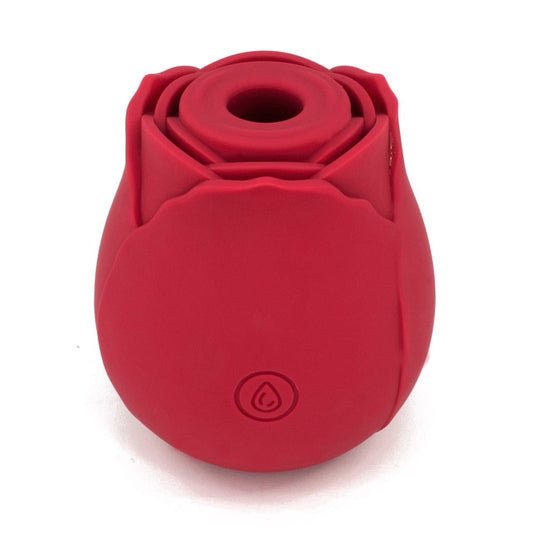
Many people need consistent stimulation to reach orgasm, and vibrators are designed to provide exactly that steady, reliable rhythm. If orgasm during partnered sex has been challenging, mutual masturbation can be a supportive way to introduce a toy in a collaborative, positive context.
Framing is key. Instead of positioning it as something “missing,” bring your partner into the experience: “I love imagining this is you doing this to me…” keeps it shared rather than corrective.
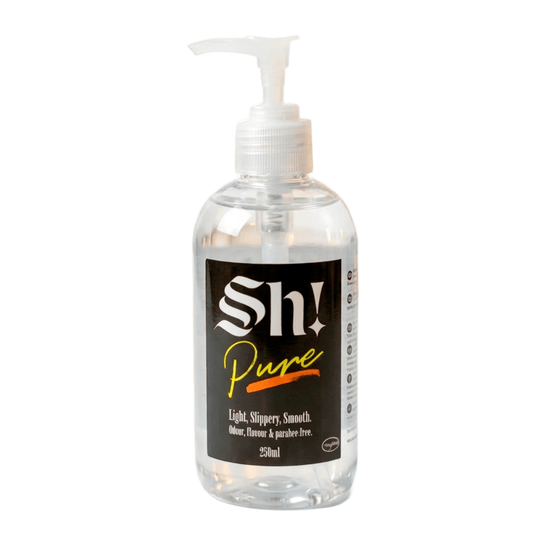
Lube can also enhance comfort and sensation by reducing friction and increasing glide. Introduce it as part of the experience rather than a fix - something sensual you explore together.

TIP 2: Use Role-Play to Ask for What You Want
Great fun for playful, sexually creative partners!
Role-play creates permission to be explicit without it feeling like a serious or uncomfortable conversation. By stepping into characters, you can express desires more freely while keeping things imaginative and erotic.
One partner takes the guiding role, and the other follows instructions within the scene. This makes communication easier, because preferences are embedded in play rather than delivered as feedback or critique.
You can keep it light and playful:
- Mistress/Master & Maid or Butler
- Police officer & “offender”
- Genie & wish-granter
-
Erotic massage therapist & client
For couples interested in more intense dynamics, consensual Dominant/Submissive play can also be explored. If you go in this direction, it should always be grounded in trust, enthusiastic consent, and clear boundaries, with agreed safety principles in place beforehand.
However you choose to structure it, the benefit is the same: the guiding partner gets to clearly express what they want - what to do, how to do it, and for how long - in a way that feels structured, playful, and erotic rather than critical.
Prop: Make it a special occasion
This works especially well when framed as a gift or experience rather than a spontaneous request. Instead of bringing it up in the moment, you might introduce it around a birthday, anniversary, or Valentine’s Day. You could hint that what you’d really love this year is an “experience” rather than a physical gift.
If full role-play feels intimidating, you can simplify it into a playful “three wishes” dynamic, where you guide your partner through three specific things you’d like them to do. It keeps things fun, structured, and easy to follow.

TIP 3: Use Sexts to Tell Your Partner What You Want
Works well for building hot, step-by-step “instructions” and overcoming shyness.
Sexting is one of the easiest ways to communicate sexual desires, especially if saying them out loud feels awkward.
It gives you space to plan your words, build anticipation, and create fantasy moments your partner can read, revisit, and get inspired by before you’re even together.
If sexting isn’t already part of your dynamic, start slowly. Your first message can simply be about desire - letting your partner know you’re thinking about them and wishing they were there.
From there, you can gradually build comfort and intensity over time.
Use simple tools to keep it playful:
- Emojis to add tone and flirtation
- Suggestive GIFs for visual tease
- Language that reflects your natural dynamic as a couple
Avoid overwhelming your partner with too much too soon. Send a message, then wait and gauge their response and comfort level.
Prop: Patience
If they don’t respond immediately (or respond more neutrally than you hoped), don’t take it personally. They may be busy or not in the right headspace - it's ok.
Sexting is a shared skill, not an instant switch. For many couples, it takes time to build confidence with a more explicit exchange.
Over time, you can move toward more detailed, instructional messages that guide touch and anticipation. The more specific you are, the easier it becomes for your partner to translate desire into action.
For example: “I’d love you to nibble the inside of my thighs before slowly moving closer… This kind of message builds imagination, anticipation, and direction, all at once. Done well, sexting becomes foreplay that starts long before you’re in the same room.